Britain’s Social Media Ban Could Be A Wake-Up Call For US
Britain Wants To Ban Kids Under 16 From Social Media, And America Should Be Paying Attention
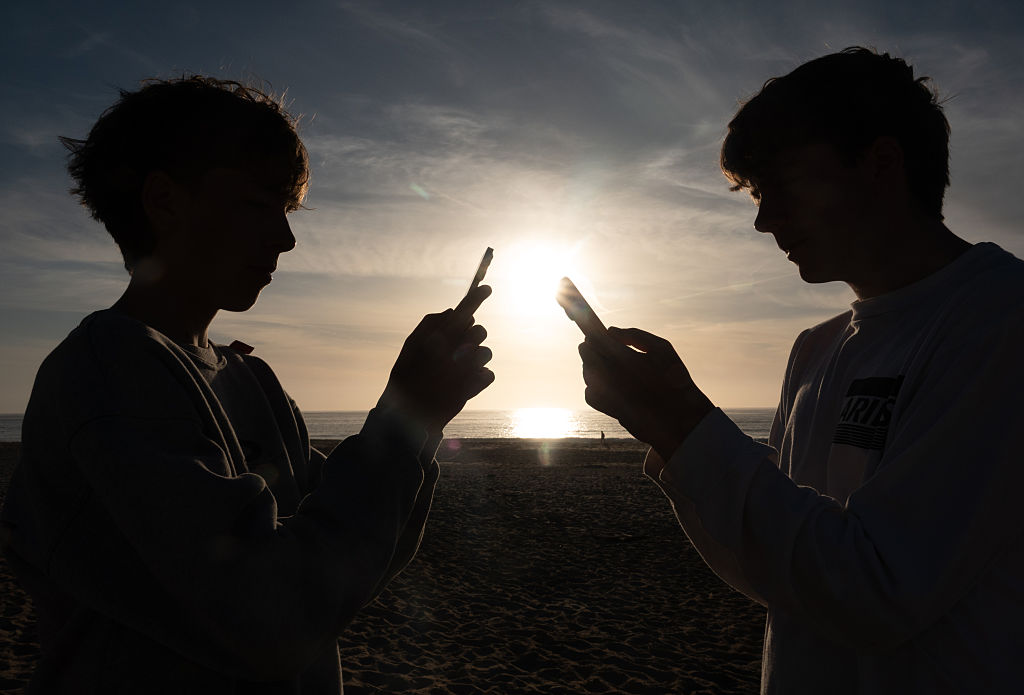
Britain is moving toward a major social media ban for children under 16.
Prime Minister Keir Starmer says the plan would keep younger teens off major platforms like TikTok, Snapchat, YouTube, Instagram, Facebook, Bluesky, and X. Messaging apps like WhatsApp and Signal, along with YouTube Kids, would reportedly be excluded.
The goal is simple: protect children from the damage adults are seeing every day.
And while this is happening in the UK, the conversation is very relevant here in the United States. Maybe even more than people want to admit.
Parents in D.C., Maryland, Virginia, and across the country are already trying to figure out how to raise kids in a world where the phone never turns off. Kids are dealing with comparison, cyberbullying, adult content, violent content, pressure to look grown too soon, and algorithms that know how to keep them scrolling before they even understand what’s happening.
This is not just about screen time.
It’s about mental health. It’s about attention spans. It’s about self-esteem. It’s about safety. It’s about kids being exposed to too much, too early, with not enough real-world guidance around them.
At the same time, a full ban is not a simple fix.
Some tech companies argue that pushing kids off mainstream platforms could send them into less supervised spaces with fewer protections. That concern is fair. We already know young people will find a workaround if they really want one. Anybody who has ever worked with teenagers knows that.
But that doesn’t mean the conversation should be dismissed.
Here in America, states are already moving in this direction. Ohio recently got court approval to enforce a law requiring parental consent for children under 16 to use social media. Other states have been looking at age verification, parental approval, and limits on addictive platform features.
So whether we agree with Britain’s approach or not, the bigger question is already in front of us.
Who is helping raise our kids?
Because right now, for a lot of young people, the algorithm has more access than parents, pastors, teachers, coaches, and mentors. That should bother us.
This is where the conversation has to come home.
We cannot only blame TikTok, Instagram, or YouTube. We also have to ask if our homes, churches, schools, and community spaces are giving young people something strong enough to compete with what’s on their phones.
A ban might help. Better rules might help. Stronger parental controls might help.
But our kids also need attention. They need safe spaces. They need adults who listen. They need guidance that doesn’t just shame them for being online, but teaches them how to move wisely in a digital world.
Britain may be making the headline, but this is not just a UK issue.
This is our issue too.