How faith communities can support families after a serious accident
Faith communities can support families after a serious accident by offering practical help instead of general promises and creating safe spaces for emotional and spiritual healing. They also support long-term recovery, not just the immediate crisis, and they respect each family’s individual needs and decisions.
Barna reports that 51% of Americans say they’ve been greatly transformed by their faith, which means that religion can help immensely in times of need. Not only can the faith itself help someone pull through a serious accident, but the communities can as well.
Can They Offer Practical Help Instead of General Promises?
In the aftermath of a serious accident, families are often overwhelmed by things like:
- Hospital visits
- Insurance paperwork
- Transportation issues
- Daily responsibilities that suddenly become difficult to manage
Faith communities can provide meaningful support by organizing meal deliveries, childcare, pet care, rides to medical appointments, or help with household chores. Or if a person’s been in a truck accident, then they can recommend good Denver semi truck attorneys.
These practical acts reduce stress and allow family members to focus on recovery rather than logistics. Even small gestures (such as grocery gift cards or assistance with yard work) can make a significant difference.
They Create Safe Spaces for Emotional and Spiritual Healing
Accident injuries can already be tough to heal from, but serious accidents can leave lasting emotional scars. Fear, grief, guilt, anxiety, and uncertainty are common reactions, even when physical healing is progressing well.
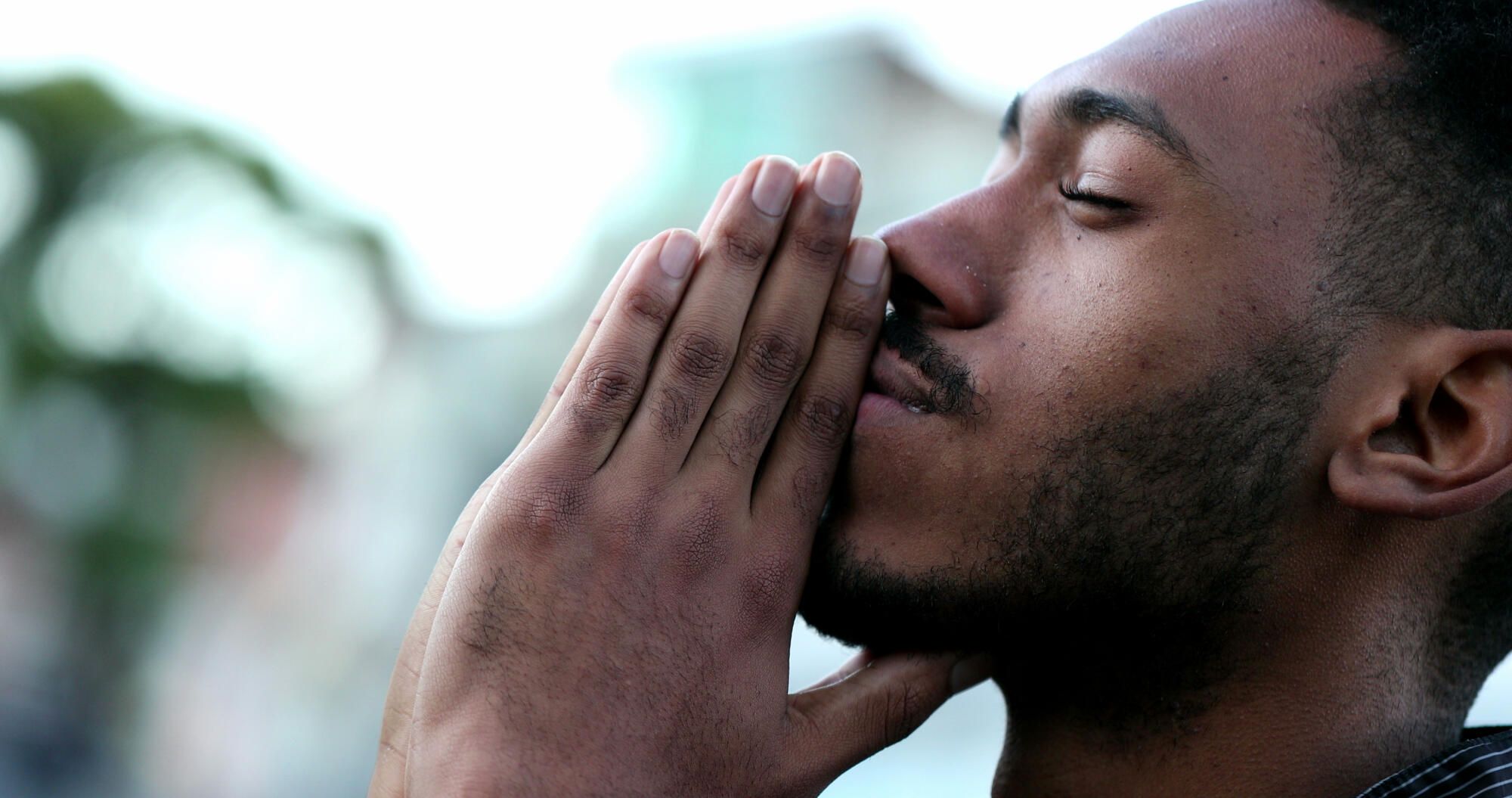
Faith communities can foster healing by creating compassionate spaces where people feel comfortable expressing difficult emotions without judgment or pressure to “stay positive.” Prayer groups, pastoral counseling, support circles, and quiet opportunities for reflection can help families process what’s happened at their own pace.
They Support Long-Term Recovery, Not Just the Immediate Crisis
Recovery from a major accident rarely ends when someone leaves the hospital. These things can continue for months or even years:
- Rehabilitation
- Financial strain
- Chronic pain
- Disability adjustments
- Emotional recovery
Ongoing assistance that faith communities might provide includes helping with accessibility modifications, organizing fundraising efforts for unexpected expenses, or simply maintaining regular social connections that prevent isolation. Establishing long-term care teams or rotating volunteer schedules helps ensure support remains sustainable while preventing volunteer burnout.
Do They Respect Each Family’s Individual Needs and Decisions?
Every family responds differently after a car accident or other traumatic event, and effective support begins by respecting those differences. Some people welcome frequent visits and communal prayer, while others need privacy or time to process events independently.
Faith communities should avoid making assumptions about what someone needs and instead ask thoughtful, open-ended questions about how they can help. Respecting medical decisions, cultural traditions, and personal boundaries builds trust during a vulnerable period.
Faith Communities Can Help Immensely After a Serious Accident
If you’ve had a serious accident, then your local faith communities can provide much-needed assistance for your family. Not only can they give you practical help, but they can also give you emotional support to get through trying times.
If you found this article interesting, then find more like it by checking out the rest of our site now.