Here is what you need to know about buying a mountain home
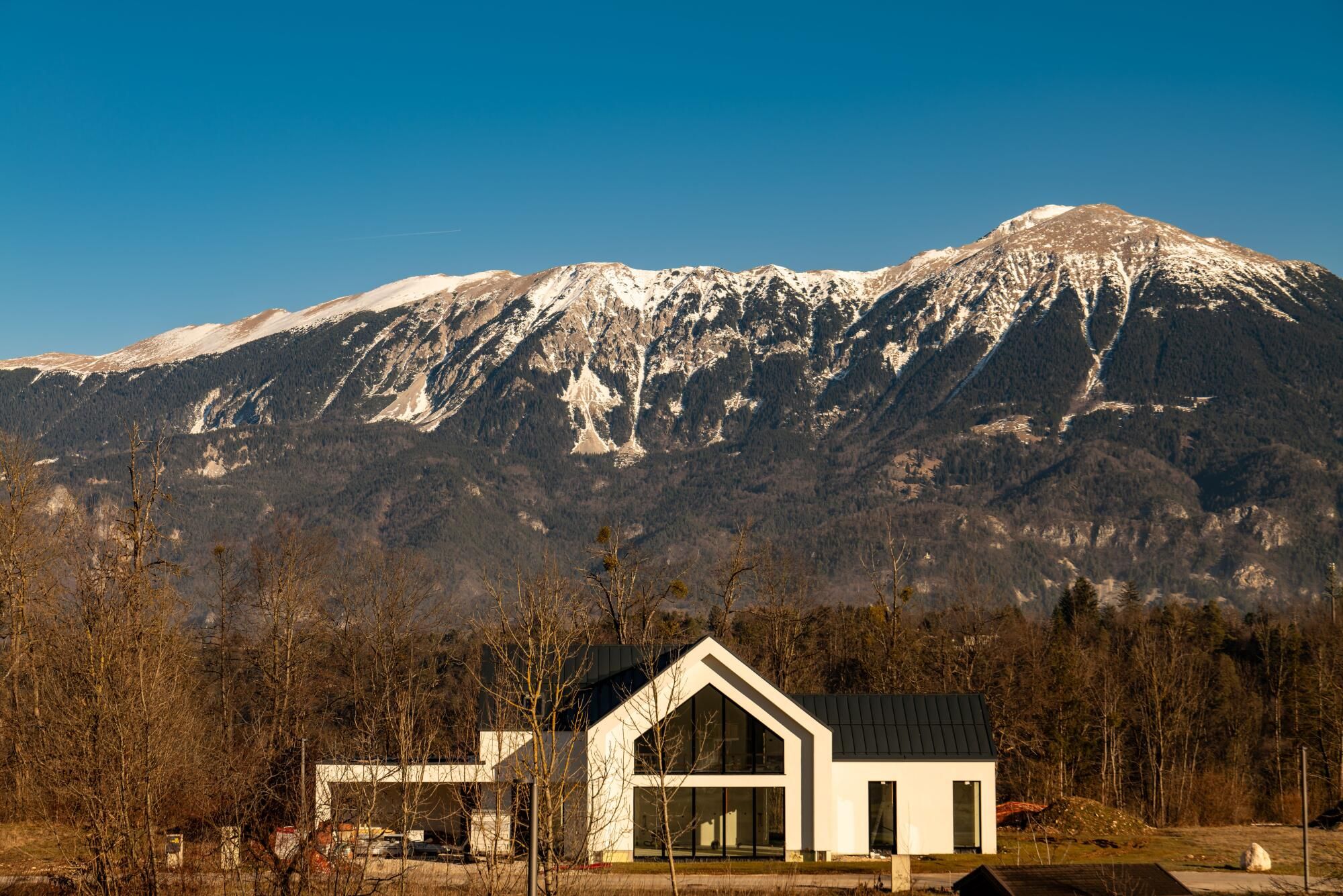
Buying a mountain home means looking beyond the view. Buyers should think about road access, snow and weather, utilities, insurance, maintenance, wildfire risk, and how easily the mountain property works year-round.
Would you still love the house if the road iced over, the power went out, or the nearest grocery store was half an hour away?
Mountain living looks effortless from a vacation rental or a weekend cabin. Ownership is a different prospect. The quiet and the scenery come with practical tradeoffs that don’t show up when you visit the property at its best.
What matters is how the home works on an ordinary Tuesday in January, not just how it feels on a clear afternoon in July.
Is a Mountain Home a Good Investment?
In real estate, location drives everything.
A mountain home makes a good real estate investment when demand is steady, inventory is limited, and the appeal extends past one season. Proximity to skiing, hiking, fishing, or an established vacation town helps, especially if you plan to rely on short-term rental income.
The carrying costs are what catch buyers off guard. Insurance, maintenance, property taxes, and seasonal upkeep add up, and strong appreciation or rental income must offset them before the numbers make sense long term.
What Is the Best State to Live in With Mountains?
Colorado stands out among the best mountain locations for year-round access, established communities, and a range of property types. Utah, Montana, Idaho, and North Carolina each have real appeal too, but the right choice comes down to climate, cost, and how far from services you’re willing to be.
Pagosa Springs draws buyers who want proximity to the San Juan Mountains, hot springs, national forest, and ski access without the price tags of more well-known resort towns.
Buyers looking to buy property in Pagosa Springs should still check road access, winter conditions, insurance rates, and everyday services before committing.
Important Things to Keep in Mind Before Buying a Mountain Home
Buying a vacation home in the mountains surfaces problems that a standard inspection doesn’t always catch. Here’s what you should keep in mind:
- Terrain and drainage: Steep slopes, runoff, and soil stability matter more than they do on flat ground
- Utilities: Water, septic, internet, and power work differently in remote areas
- Road access: Private roads, snow removal responsibility, and seasonal closures affect year-round livability
- Upkeep: Roofing, retaining walls, and exterior wear move faster at elevation
- Property boundaries: Survey lines, easements, and land-use restrictions vary widely in rural mountain areas
Insurance is the other variable most buyers underestimate. Wildfire exposure, heavy snow loads, and limited emergency access push premiums higher than buyers from flatter regions expect.
A Mountain Home Has to Work Beyond the View
Every season tests a mountain home differently. The access, terrain, utilities, and insurance picture that looks manageable in summer can look very different by February. Getting clear on those details before closing separates a good purchase from an expensive lesson.
Explore our website for more home, property, and lifestyle stories.